Quick answer: A code-compliant portable-generator connection commonly costs about $1,200 to $3,500 before the portable generator itself. A permanently installed automatic standby generator commonly costs about $12,000 to $22,000 for a mainstream Puget Sound home. Larger generators, long electrical or gas runs, gas-meter upgrades, propane storage, panel work, difficult sites, and extensive permits can push the project to $25,000 to $50,000 or more.
Last reviewed: August 2026. These figures are planning ranges, not a quote. Final pricing depends on the property, project scope, materials, access, permits, taxes, and conditions discovered during the work.
This guide is designed for homeowners in Federal Way, Puyallup, Lakewood, Gig Harbor, Auburn, Lacey, Olympia, Bremerton, Kent, Tacoma, and surrounding Puget Sound communities who want a realistic planning range before requesting a project-specific proposal.
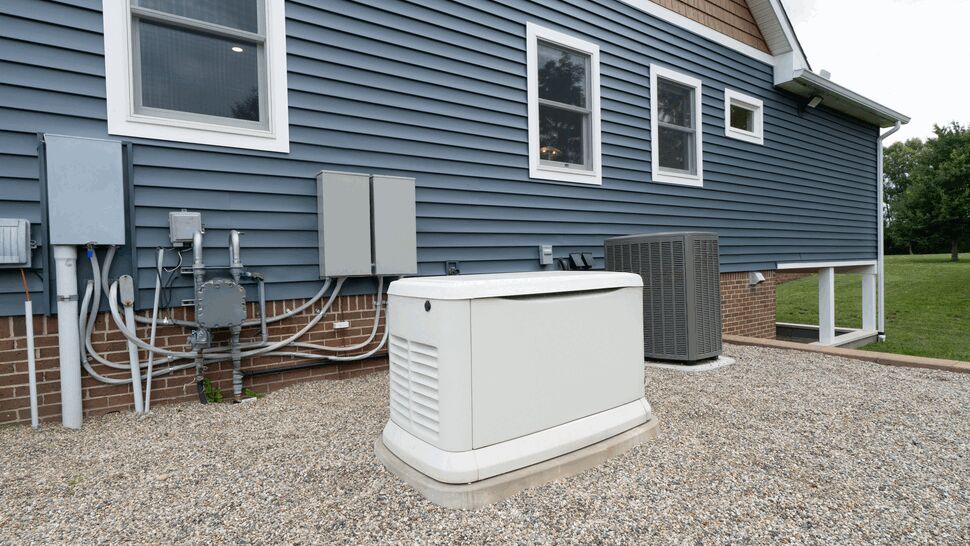
The answer depends first on which backup-power system is being discussed. A portable generator uses a manual connection and requires the homeowner to set up, fuel, start, and manage loads during an outage. A standby generator is permanently installed outside, connected to natural gas or propane, and paired with an automatic transfer switch that can restore selected circuits or the home automatically.
For preliminary budgeting, a mainstream 18- to 26-kilowatt standby project in Puget Sound commonly falls around $12,000 to $22,000. This generally contemplates the generator, automatic transfer equipment, ordinary electrical and fuel work, a suitable pad, permits, startup, and testing. The exact scope must be defined because gas capacity, generator location, trenching, service equipment, load management, and site restoration can materially change the price.
These figures reflect DwellOne’s homeowner-project-management model, qualified electrical and fuel-gas trade partners, and current 2026 Puget Sound market conditions. They are intended for Federal Way, Puyallup, Lakewood, Gig Harbor, Auburn, Lacey, Olympia, Bremerton, Kent, Tacoma, and surrounding Puget Sound communities.
Typical Installed Home Generator Cost
Generator system | Typical installed project range |
|---|---|
Portable-generator inlet with listed panel interlock | $1,200–$2,500+ |
Portable-generator inlet with manual transfer panel | $1,800–$3,500+ |
Portable generator, approximately 5–12 kW, equipment only | $700–$2,500+ |
Smaller standby generator, approximately 10–14 kW | $9,000–$15,000+ |
Mainstream standby generator, approximately 18–26 kW | $12,000–$22,000+ |
Large air-cooled standby system, approximately 26–32 kW | $18,000–$30,000+ |
Large liquid-cooled or highly complex residential system | $30,000–$55,000+ |
Portable-connection ranges exclude the portable generator unless specifically stated. Standby ranges assume a reasonably direct installation but may exclude a gas-meter or service upgrade, electrical service replacement, unusually long trenching, propane storage, extensive concrete or landscaping, and utility charges.
Example Standby Generator Budgets
Example project | Preliminary planning budget |
|---|---|
12–14 kW essential-load system; short runs; suitable gas service | $9,000–$15,000+ |
18–22 kW automatic system for a typical gas-served home | $12,000–$19,000+ |
24–26 kW whole-home system with moderate gas and electrical work | $15,000–$24,000+ |
26–32 kW system with load management, trenching, or service modifications | $20,000–$32,000+ |
Liquid-cooled system, large residence, propane storage, or difficult site | $30,000–$55,000+ |
“Whole home” does not mean every electrical load can operate simultaneously without planning. Electric heat, electric water heating, EV charging, hot tubs, ranges, dryers, well pumps, and large air-conditioning equipment can require a larger generator or automatic load-shedding controls.
Where the Standby Generator Budget Goes
Project component | Typical budgeting allowance |
|---|---|
Generator and automatic transfer equipment | $4,500–$10,000+ |
Electrical labor, conductors, controls, grounding, and startup | $3,000–$7,500+ |
Natural-gas or propane piping | $1,500–$6,000+ |
Utility gas-meter or service modifications | $0–$5,000+ |
Pad, anchorage, delivery, and basic site preparation | $500–$2,500+ |
Electrical, mechanical, gas, or building permits and inspections | $500–$2,000+ |
Trenching, boring, concrete cutting, or difficult routing | $1,000–$8,000+ |
Electrical panel or service upgrade when required | $4,000–$12,000+ |
Propane tank, regulator, pad, and connection | $2,500–$8,000+ |
These are component allowances, not amounts to add automatically to every project. A complete proposal may bundle several items. The purpose is to reveal which scopes are included and which conditions could create a change in the final price.
What Should a Complete Generator Proposal Include?
- Generator manufacturer, model, fuel type, rated output, warranty, and cold-weather accessories
- Load calculation and a written explanation of which circuits or appliances will be supported
- Automatic or manual transfer equipment, ampacity, service rating, and load-management controls
- Generator, electrical meter, main panel, gas meter, propane tank, and transfer-switch locations
- Concrete or composite pad, anchorage, bollards when needed, and required clearances
- Electrical routing, conductor size, trenching, grounding, bonding, labeling, and surge protection
- Fuel demand, gas-pipe sizing, regulator requirements, pressure testing, and utility review
- Permits, plan documents, inspections, utility notifications, startup, and owner orientation
- Excavation, backfill, concrete, siding, drywall, landscaping, irrigation, and surface restoration
- Remote monitoring, battery charger, maintenance plan, warranty registration, and exclusions
When comparing estimates, confirm that every bidder is designing for the same loads and including the same electrical, gas, site, permit, and restoration scope. A low generator price may exclude the transfer switch, gas upgrade, trenching, permits, or commissioning.
What Makes a Standby Generator More Expensive?
Generator size and load strategy
The generator should be selected from a load calculation and operating priorities - not only home square footage. Load management can sometimes control large appliances without oversizing the generator.
Natural-gas capacity
A standby generator can add a very large fuel demand. Existing customer-owned piping, regulators, gas meter, or utility service may be undersized and require review or replacement.
Distance and routing
Long runs between the generator, gas source, electrical service, and transfer equipment increase wire, conduit, fuel piping, trenching, voltage-drop considerations, and restoration.
Electrical service configuration
Older panels, split-bus equipment, multiple service disconnects, solar, batteries, detached buildings, and limited breaker space can complicate transfer equipment and code compliance.
Site and clearance restrictions
The generator must satisfy manufacturer instructions and applicable clearances from openings, meters, ignition sources, property lines, and combustible construction. A convenient-looking location may not be permissible.
Propane systems
Where natural gas is unavailable, tank sizing must account for generator output, expected runtime, weather, refill logistics, other propane appliances, and required separation distances.
Permits and utility coordination
Standby work can involve electrical, fuel-gas, mechanical, building, land-use, or noise review depending on the jurisdiction and installation.
Restoration and protection
Concrete removal, retaining walls, steep terrain, drainage, landscaping, fencing, irrigation, and equipment access can be meaningful project costs.
Portable Generator Connection Options
A professionally installed inlet allows a portable generator to power selected household circuits without running extension cords through doors or windows. The connection must prevent generator power from backfeeding the utility system.
Listed panel interlock
An interlock mechanically prevents the utility main breaker and generator breaker from being on at the same time. It can offer flexible circuit selection, but the homeowner must manage loads carefully and the existing panel must support a listed, compatible installation.
Manual transfer panel
A transfer panel supplies a predetermined group of circuits and isolates them from utility power. It can make outage operation easier, but the selected circuits and panel capacity must match the generator.
Quick answer: SAFETY: Never connect a portable generator to a wall outlet or energize household wiring without approved transfer equipment. That can backfeed utility lines and create a fatal hazard for lineworkers and occupants. Operate portable generators outdoors, well away from doors, windows, vents, and other openings, following the manufacturer’s carbon-monoxide safety instructions.
Natural Gas, Propane, and Fuel Planning
Natural gas is convenient because it does not require onsite refueling, but the existing service must be capable of supplying the generator along with other appliances. Puget Sound Energy advises customers to provide the estimated generator load and pressure requirements before installation so the gas service and meter can be reviewed. Customer-owned fuel lines may also need resizing.
Propane can serve homes without natural gas and may deliver different generator output than natural gas. The tank must be sized for the desired runtime and cold-weather vaporization, placed legally, protected from damage, and kept accessible for delivery. Fuel availability during a regional emergency should be part of the operating plan.
Maintenance and Ongoing Generator Costs
Ongoing item | Typical planning range |
|---|---|
Annual standby-generator inspection and service | $350–$700+ |
Battery replacement, commonly every few years | $200–$500+ |
Major service interval, valve adjustment, or extended maintenance | $600–$1,500+ |
Monitoring subscription when applicable | $50–$150+ per year |
Exercise cycles do not replace scheduled maintenance. Homeowners should test the transfer sequence as recommended, keep the enclosure clear, watch for alerts, maintain fuel availability, and understand which loads should be switched off during an outage.
Do Home Generator Projects Require Permits?
Yes, permanently connected generator work generally requires electrical permitting and inspection, and standby installations commonly involve additional fuel-gas, mechanical, building, or site approvals. Requirements depend on the project address, fuel source, equipment location, electrical service, utility, and jurisdiction.
The permitting plan should address transfer equipment, grounding and bonding, generator location, noise, gas-pipe sizing and testing, utility requirements, and any trench inspection before work is covered. PSE also asks customers to notify the utility after a new backup system is installed.
Frequently Asked Questions About Home Generator Cost
How much does a whole-house generator cost in Puget Sound?
A mainstream automatic standby-generator project commonly costs approximately $12,000 to $22,000. Smaller essential-load systems can cost less, while large generators, complex electrical services, gas upgrades, propane tanks, and difficult sites can push the total above $25,000.
How much does it cost to connect a portable generator to a house?
A professionally installed inlet with a listed panel interlock commonly costs approximately $1,200 to $2,500. A manual transfer panel commonly costs about $1,800 to $3,500. The portable generator is normally purchased separately.
What size generator do I need?
The correct size comes from the loads you intend to operate, their starting demands, fuel type, and whether load-management controls will be used. Home square footage alone is not a reliable sizing method.
Will my existing natural-gas meter support a standby generator?
Maybe. The utility and fuel-gas contractor should review the generator demand, other connected appliances, delivery pressure, meter capacity, and customer-owned piping before equipment is finalized.
Can a standby generator power electric heat or an EV charger?
Potentially, but these are large loads. They may require a much larger generator or controls that temporarily shed them. Many homeowners prioritize refrigeration, lighting, communications, pumps, gas-fired heating equipment, and selected outlets.
Does a standby generator turn on automatically?
Yes, when correctly installed with an automatic transfer switch. The system senses utility loss, starts the generator, transfers the planned loads, and returns the home to utility power after service is restored.
DwellOne’s Approach to Transparent Generator Pricing
Homeowners deserve to know whether a quoted number represents equipment only or a complete operational system. DwellOne explains the generator, supported loads, transfer equipment, electrical work, fuel supply, site work, permits, restoration, startup, and maintenance so the comparison is meaningful.
DwellOne Project Managers coordinate qualified electrical, fuel-gas, and site-work trade partners and manage the project from scope through completion. The final recommendation should balance outage priorities, safety, convenience, project cost, and ongoing maintenance.
Important pricing information: The figures in this guide are general planning ranges for residential generator projects in the Puget Sound region as of August 2026. They are not a quote, offer, or guarantee. Actual costs may be higher or lower based on loads, equipment, fuel, gas capacity, electrical service, routing, site conditions, permits, utility requirements, taxes, and final scope.