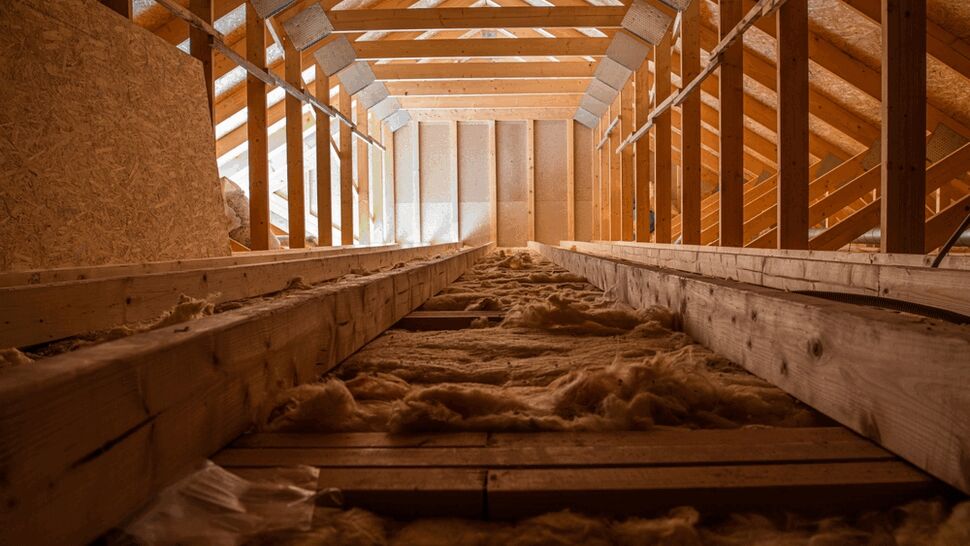
Quick answer: Puget Sound homeowners should generally budget about $3,000 to $7,500 for a straightforward attic air-sealing and insulation upgrade, $4,000 to $10,000 for crawlspace floor insulation, and $6,000 to $16,000 for dense-pack insulation in the exterior walls of an existing home. Removing old insulation, correcting moisture or pest damage, improving ventilation, or converting to an encapsulated crawlspace can substantially increase the project total.
Last reviewed: August 2026. These figures are planning ranges, not a quote. Final pricing depends on the property, project scope, materials, access, permits, taxes, and conditions discovered during the work.
This guide is designed for homeowners in Federal Way, Puyallup, Lakewood, Gig Harbor, Auburn, Lacey, Olympia, Bremerton, Kent, Tacoma, and surrounding Puget Sound communities who want a realistic planning range before requesting a project-specific proposal.
Insulation is best budgeted by the square footage of the surface being insulated - not the home’s advertised living area. An attic floor, exterior wall area, crawlspace ceiling, vaulted roof, and rim joist all have different dimensions, access conditions, materials, air-sealing needs, and target R-values.
A straightforward blown attic upgrade commonly costs about $2 to $5 per square foot of attic area. Existing closed walls commonly cost about $4 to $8 per square foot of wall area for drill-and-fill or dense-pack installation. Crawlspace floor insulation commonly costs about $3.50 to $7 per square foot before extensive cleanup or moisture remediation.
These are preliminary consumer planning ranges for Federal Way, Puyallup, Lakewood, Gig Harbor, Auburn, Lacey, Olympia, Bremerton, Kent, Tacoma, and surrounding Puget Sound communities. A complete proposal should identify the existing condition, target R-value, air-sealing scope, ventilation, removal, access, rebates, and final insulation depth or thickness.
Typical Insulation Costs in Puget Sound
Insulation project | Typical installed planning range |
|---|---|
Blown attic insulation added over suitable existing material | $2.00–$4.00+ per sq. ft. |
Attic air sealing plus blown insulation | $3.00–$6.00+ per sq. ft. |
Attic removal, air sealing, and new insulation | $5.00–$10.00+ per sq. ft. |
Crawlspace floor batts or supported fiberglass | $3.50–$7.00+ per sq. ft. |
Existing wall dense-pack or drill-and-fill | $4.00–$8.00+ per sq. ft. of wall area |
Open-cell spray foam | $2.50–$5.00+ per sq. ft. at typical thickness |
Closed-cell spray foam | $4.00–$9.00+ per sq. ft. at typical thickness |
Rim-joist air sealing and insulation | $20–$45+ per linear foot |
Full crawlspace encapsulation | $7,000–$20,000+ |
Spray-foam pricing is especially thickness-dependent and may also be quoted by board foot: one square foot at one inch thick. A per-square-foot number is not comparable unless the required thickness and resulting R-value are stated.
Example Whole-Project Insulation Budgets
Example project | Preliminary planning budget |
|---|---|
1,000 sq. ft. attic; add insulation over acceptable existing material | $2,500–$5,000+ |
1,500 sq. ft. attic; air seal and insulate to target level | $4,500–$8,500+ |
1,500 sq. ft. attic; remove contaminated material and rebuild assembly | $8,000–$16,000+ |
1,200 sq. ft. crawlspace; floor insulation with ordinary access | $4,500–$8,500+ |
Typical existing-home exterior-wall dense-pack project | $7,000–$16,000+ |
Rim joists and targeted comfort corrections | $2,000–$6,000+ |
Full crawlspace cleanup and encapsulation | $8,000–$20,000+ |
Small projects may carry higher effective unit costs because setup, mobilization, protective equipment, material delivery, cleanup, and documentation are spread across less area.
Attic Insulation Cost
Attics are often the most accessible and cost-effective place to improve insulation, but adding material without addressing air leakage, moisture, exhaust ducts, electrical hazards, or ventilation can conceal problems and reduce performance.
Blown-in fiberglass or cellulose
Loose-fill material can cover irregular framing and existing insulation efficiently. The proposal should identify material, settled or installed R-value, target depth, coverage, rulers or markers, and whether existing material remains.
Batt insulation
Batts can work well in accessible, regularly framed areas when cut and fitted without gaps, compression, or voids. Poorly installed batts can perform far below their labeled R-value.
Air sealing before insulation
Common attic leakage points include plumbing and wiring penetrations, top plates, chases, dropped ceilings, bath fans, attic hatches, recessed fixtures, and chimney or flue transitions. Combustion and fire-clearance requirements must be respected.
Quick answer: DO NOT JUST BURY IT: Before new insulation is installed, confirm that bathroom and kitchen exhaust ducts terminate outdoors, roof or soffit leaks are corrected, electrical hazards are addressed, baffles preserve ventilation where required, combustion clearances are maintained, and the attic hatch is insulated and weather-stripped.
Attic Removal and Cleanup Costs
Removal or remediation scope | Typical planning range |
|---|---|
Ordinary loose-fill or batt removal | $2.00–$4.00+ per sq. ft. |
Heavily compacted, wet, or difficult hand removal | $4.00–$7.00+ per sq. ft. |
Rodent-contaminated insulation cleanup | $4.00–$10.00+ per sq. ft. |
Localized mold or microbial remediation | $1,500–$6,000+ |
Sanitizing, minor exclusion, and deodorizing | $750–$3,000+ |
Removal is not automatically necessary. It may be justified by contamination, moisture damage, fire or smoke residue, major air-sealing access needs, incompatible assemblies, remodeling, or material that cannot be safely retained. Pest entry and moisture sources should be corrected before replacement.
Wall Insulation Cost
Insulating closed exterior walls usually requires drilling through interior drywall or exterior siding and dense-packing or blowing material into each cavity. The estimate should identify the access side, hole pattern, cavity verification, blocking or fire stops, patching, texture, siding repair, paint, and the likelihood of inaccessible cavities.
Wall-insulation scope | Typical planning range |
|---|---|
Open wall cavities during remodeling | $2.00–$5.00+ per sq. ft. of wall area |
Existing closed walls; dense-pack or drill-and-fill | $4.00–$8.00+ per sq. ft. |
Exterior continuous rigid insulation during siding work | $6.00–$14.00+ per sq. ft. |
Complex plaster, masonry, multiple claddings, or extensive patching | $8.00–$18.00+ per sq. ft. |
Wall projects often have substantial finish-restoration costs. Confirm whether drywall patches, texture, interior painting, siding plugs, exterior paint, trim removal, and weather-barrier repairs are included.
Crawlspace and Floor Insulation Cost
Traditional vented crawlspaces generally insulate the floor above. The insulation must contact the subfloor, fit around utilities, and be mechanically supported without excessive compression. Moisture, standing water, pests, damaged vapor barrier, disconnected ducts, and plumbing leaks should be corrected before new insulation is installed.
Crawlspace scope | Typical planning range |
|---|---|
Remove ordinary damaged floor insulation | $1.50–$4.00+ per sq. ft. |
Install supported floor insulation | $3.50–$7.00+ per sq. ft. |
New ground vapor barrier | $1.50–$4.00+ per sq. ft. |
Minor air sealing and rim-joist work | $1,500–$5,000+ |
Drainage, sump, pest, mold, or duct repairs | Project-specific |
Full sealed crawlspace or encapsulation | $7,000–$20,000+ |
Crawlspace Insulation vs. Encapsulation
Replacing floor insulation in a vented crawlspace and fully encapsulating the crawlspace are different projects. Encapsulation generally involves a durable sealed ground and wall liner, sealed vents and penetrations, perimeter-wall or rim insulation, moisture management, and sometimes a dehumidifier or conditioned-air strategy.
Encapsulation may be appropriate for persistent moisture, difficult floor-insulation geometry, mechanical equipment in the crawlspace, energy goals, or an intentional building-science design. It should not be used to hide active water entry, sewage, plumbing leaks, drainage failures, rot, or structural damage.
Spray Foam Insulation Cost
Spray polyurethane foam can provide insulation and air sealing in one product, but the design must address foam type, thickness, vapor control, ignition or thermal barriers, occupied-building protection, ventilation during installation, combustion equipment, roof warranties, future inspection access, and manufacturer requirements.
Spray-foam application | Typical installed planning range |
|---|---|
Open-cell foam, typical residential thickness | $2.50–$5.00+ per sq. ft. |
Closed-cell foam, typical residential thickness | $4.00–$9.00+ per sq. ft. |
Closed-cell foam by board foot | $1.50–$3.00+ per board foot |
Small rim-joist or targeted project | $2,000–$6,000+ minimum project |
Quick answer: FOAM DESIGN MATTERS: Spray foam is not automatically the “best” insulation for every assembly. Improper thickness, off-ratio material, trapped moisture, inadequate ventilation, incompatible combustion appliances, or covering roof sheathing without a coordinated design can create expensive problems. Require product data, installer qualifications, thickness, R-value, and assembly details in writing.
What Makes Insulation More Expensive?
Removal and contamination
Rodents, nesting, feces, urine, mold, wet material, smoke residue, and compacted loose fill require more containment, labor, disposal, and source correction.
Access and working conditions
Low crawlspaces, tight attic eaves, vaulted roofs, finished storage, limited hatches, steep sites, and occupied-home protection slow production and may limit material choices.
Air sealing and building corrections
Open chases, unsealed top plates, recessed lights, flues, exhaust ducts, wiring hazards, duct leakage, missing baffles, and inadequate access must be addressed rather than buried.
Target R-value and material thickness
Higher R-values require more material or higher-performing assemblies. Existing framing depth can constrain batts or foam and may require furring, rigid insulation, or redesign.
Finish restoration
Closed-wall work may require drywall, plaster, siding, trim, texture, and painting. These scopes can equal or exceed the insulation installation cost in highly finished homes.
Moisture and ventilation
Roof leaks, ground moisture, drainage, plumbing leaks, bath fans, crawlspace ventilation, attic intake and exhaust, and indoor humidity must be coordinated with the insulation plan.
What Should a Complete Insulation Estimate Include?
- Measured insulation area, existing material and depth, existing estimated R-value, and target R-value
- Material type, manufacturer, installed thickness or density, coverage, and relevant product documentation
- Removal, containment, disposal, pest or moisture corrections, and surfaces that will remain
- Detailed air-sealing locations, fire and combustion clearances, attic hatch, baffles, and ventilation work
- Duct, exhaust-fan, electrical, plumbing, roof-leak, vapor-barrier, and access corrections
- Wall drilling and repair method, finish restoration, paint, siding, trim, and exclusions
- Permits or inspections when applicable, rebates, photos, final depth verification, cleanup, and warranty
Insulation Rebates and Incentives
Puget Sound Energy, Snohomish County PUD, Seattle City Light, Tacoma Power, and other utilities may offer weatherization incentives based on service territory, heating fuel, existing R-value, target R-value, contractor eligibility, and available funding. PSE and Snohomish PUD publish per-square-foot attic, wall, floor, and air-sealing incentives for qualifying projects, but program rules can change.
Ask whether the proposal shows the gross project cost before incentives, who verifies existing insulation, whether preapproval or a registered contractor is required, who submits the paperwork, and what happens if the project does not qualify.
Quick answer: REBATE CAUTION: Verify the current program directly with the serving utility before signing. Rebates are not guaranteed until the utility confirms the address, heating system, existing condition, contractor, product, required documentation, funding, and completion requirements.
Frequently Asked Questions About Insulation Cost
How much does attic insulation cost in Puget Sound?
Adding blown insulation over suitable existing material commonly costs about $2 to $4 per square foot. Air sealing plus insulation commonly costs $3 to $6 per square foot. Removal, cleanup, and rebuilding can raise the project to $5 to $10 per square foot or more.
Should old attic insulation always be removed?
No. Sound, dry, uncontaminated material can often remain beneath new insulation. Removal may be appropriate for pests, moisture, mold, smoke, unsafe materials, extensive air sealing, remodeling, or an incompatible assembly.
How much does crawlspace insulation cost?
Installing supported insulation below the floor commonly costs about $3.50 to $7 per square foot. Removal, ground vapor barrier, pest work, drainage, mold remediation, and duct repairs are additional.
How much does wall insulation cost?
Dense-packing existing closed exterior walls commonly costs about $4 to $8 per square foot of wall area. Complex finishes and drywall, plaster, siding, trim, texture, or paint restoration can increase the total.
Is spray foam worth the cost?
It can be valuable where air sealing, limited depth, or a specific assembly supports its use. It is not automatically appropriate for every attic, roof, wall, or crawlspace. The design and installer quality are critical.
Will insulation fix cold rooms?
Sometimes, but cold rooms can also result from air leakage, inadequate duct airflow, HVAC imbalance, window performance, moisture, or insufficient heat capacity. A diagnostic approach is more reliable than adding insulation blindly.
DwellOne’s Approach to Transparent Insulation Pricing
Homeowners deserve to know whether a price covers material only or a complete weatherization project. DwellOne helps define removal, air sealing, insulation material, installed R-value, ventilation, moisture, pest conditions, access, finish repairs, rebates, verification, and warranty so proposals can be compared fairly.
DwellOne Project Managers coordinate qualified insulation, HVAC, electrical, roofing, pest, and repair trade partners and manage the project from scope through completion. The goal is a safe building assembly that improves comfort and efficiency without concealing moisture, ventilation, or durability problems.
Important pricing information: The figures in this guide are general planning ranges for residential insulation work in the Puget Sound region as of August 2026. They are not a quote, offer, or guarantee. Actual costs may be higher or lower based on area, material, R-value, removal, contamination, access, air sealing, moisture, ventilation, repairs, rebates, permits, taxes, and final scope.